Torn between a condo and a townhome in Rockville? You are not alone. Both options can fit your budget and lifestyle, but the right choice depends on what you value most in ownership, costs, and day‑to‑day living. In this guide, you will learn the key legal and money differences, how fees and taxes add up, neighborhood examples, and a practical checklist to compare options with confidence. Let’s dive in.
Rockville market snapshot
Rockville offers a wide mix of condos and townhomes with prices that vary by neighborhood and building. Recent market snapshots show median home prices in the mid $500,000s to low $600,000s, with townhomes often listing higher than condos in many communities. Your price band can shift a lot based on location, age, and amenities.
Common areas to compare include King Farm, Rockville Town Center, Twinbrook, East Rockville, and Fallsgrove. For example, the Farmstead District near King Farm features new construction townhomes that have been reported starting in the high $800,000s for some models, a marker of the premium for new builds and walkable settings. You can read more about that development in a recent coverage piece of the Farmstead District. (Washington Post)
What you actually own
Condo ownership
With a condominium in Maryland, you typically own the interior of your unit along with a shared interest in the building’s common elements. The association manages, maintains, and insures those shared parts under Maryland’s Condominium Act, which sets duties and disclosure rules for boards and owners. Review the statute to understand how governance, budgeting, and reserve planning work. (Maryland Condominium Act, Title 11)
Townhome ownership
Many townhomes are fee‑simple. You own the structure and the land under it, even though the home is attached. Most townhome neighborhoods also have an HOA that maintains shared spaces and may set community standards. Some attached “townhome” communities are legally condos, so always confirm the legal form before you compare costs. Maryland’s HOA law outlines disclosures and board responsibilities. (Maryland Homeowners Association Act, Title 11B)
Who maintains what and what dues cover
In many condos, the association handles exterior items like the roof, structure, and common areas. You maintain the interior. In fee‑simple townhomes, you often handle exterior upkeep unless the recorded declaration says the HOA covers certain items. Maryland’s statutes and your community documents define the exact boundaries of responsibility. (Maryland Condominium Act)
Condo or HOA dues commonly fund:
- Common‑area upkeep, snow removal, and landscaping
- Building or exterior insurance on a master policy
- Reserves for capital repairs and replacements
- Management and amenities like pools or fitness rooms
- Sometimes utilities and parking operations
Higher‑amenity buildings often carry higher monthly dues. Always review the current budget, reserve study, and recent meeting minutes to see what you are paying for and whether big repairs are coming.
Money matters: comparing true monthly costs
Property taxes in Rockville
If the home is inside the City of Rockville, you pay both Montgomery County and City tax components. The City currently lists a municipal real property tax rate of $0.292 per $100 of assessed value. Use the county’s levy schedule to find the full combined rate for your specific parcel. (City of Rockville tax page) (Montgomery County levy schedule)
Example method: Take price or assessed value, divide by 100, then multiply by the total combined rate. Using a $560,000 example and a representative combined factor for City of Rockville, the annual property tax would be roughly $6,490. The exact number depends on your property’s district components, so verify for the parcel you are considering.
Insurance differences
- Condo buyers typically carry an HO‑6 policy for interior finishes and personal property. The association covers exterior and common areas under a master policy.
- Townhome buyers usually carry an HO‑3 policy covering the entire structure and interior. If the HOA insures some exterior elements, confirm details and limits.
These differences affect premiums and your out‑of‑pocket exposure after a loss. (Condo vs homeowners insurance basics)
How to line up an apples‑to‑apples monthly budget
When comparing a condo and a townhome, put the same items side by side:
- Mortgage principal and interest based on the same price and loan terms.
- Property tax: annual tax divided by 12 using the correct city and county rates. (Montgomery County levy schedule)
- HOA or condo dues.
- Insurance estimate (HO‑6 vs HO‑3), utilities, and any parking fees.
- A reserve line for special assessments if the building shows low reserves or major repairs ahead.
A higher condo fee works like a fixed monthly cost that reduces buying power. Treat it the same way you would a car payment when you size your budget.
Lifestyle trade‑offs you will feel every day
- Privacy and noise: Mid and high‑rise condos share walls, floors, and common spaces. Townhomes still share walls but usually offer better separation and private entries. The building’s construction quality and age often impact noise control more than the property type itself.
- Outdoor space and parking: Townhomes more often include a garage or driveway and a patio or small yard. Many condos offer assigned spaces or garage parking, sometimes with a monthly parking fee. Confirm your exact parking rights and guest policies in the documents.
- Maintenance convenience: Condos are appealing if you want minimal exterior upkeep handled for you. Townhomes provide more space and autonomy but often more direct responsibility. Review your community’s declaration to know exactly who handles roofs, siding, and landscaping. For buyers leaning to townhomes, compare new‑construction features and maintenance expectations. (Guide to buying a new construction townhome)
Resale and financing considerations
Townhomes in many Montgomery County submarkets draw broad demand from buyers who want more space with lower maintenance than a single‑family home. Condos often attract commuters, downsizers, or buyers who value amenities and convenience. Your exit strategy can vary by property type and neighborhood, so review days on market and recent sales in your target area when you plan your hold period.
If you need FHA or VA financing, condo projects often must be approved or meet single‑unit approval standards. Conventional lenders also evaluate project health, owner‑occupancy ratios, and reserves. Always confirm a condo’s warrantability and approval status before you write an offer. (FHA and VA condo approval overview)
Neighborhood examples to compare in Rockville
- King Farm: A walkable, mixed‑use plan with both condos and a variety of townhome models. You will see a range of prices based on size, age, and proximity to the village center.
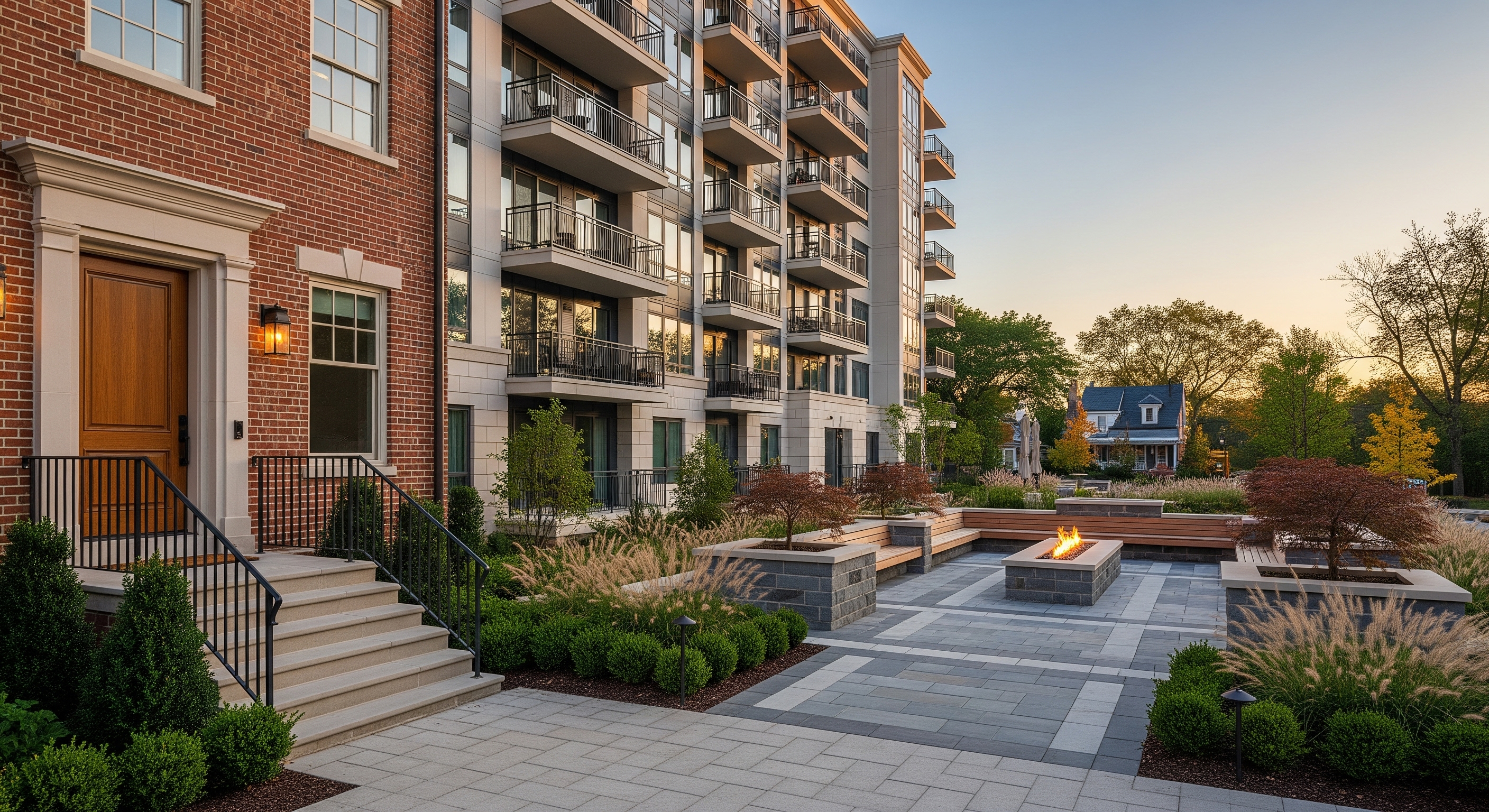
- Rockville Town Center: Condo buildings with strong amenity packages and minimal exterior maintenance. Expect higher monthly dues aligned with services.
- Twinbrook and East Rockville: Transit‑convenient areas that often include more affordable attached options that appeal to commuters and first‑time buyers.
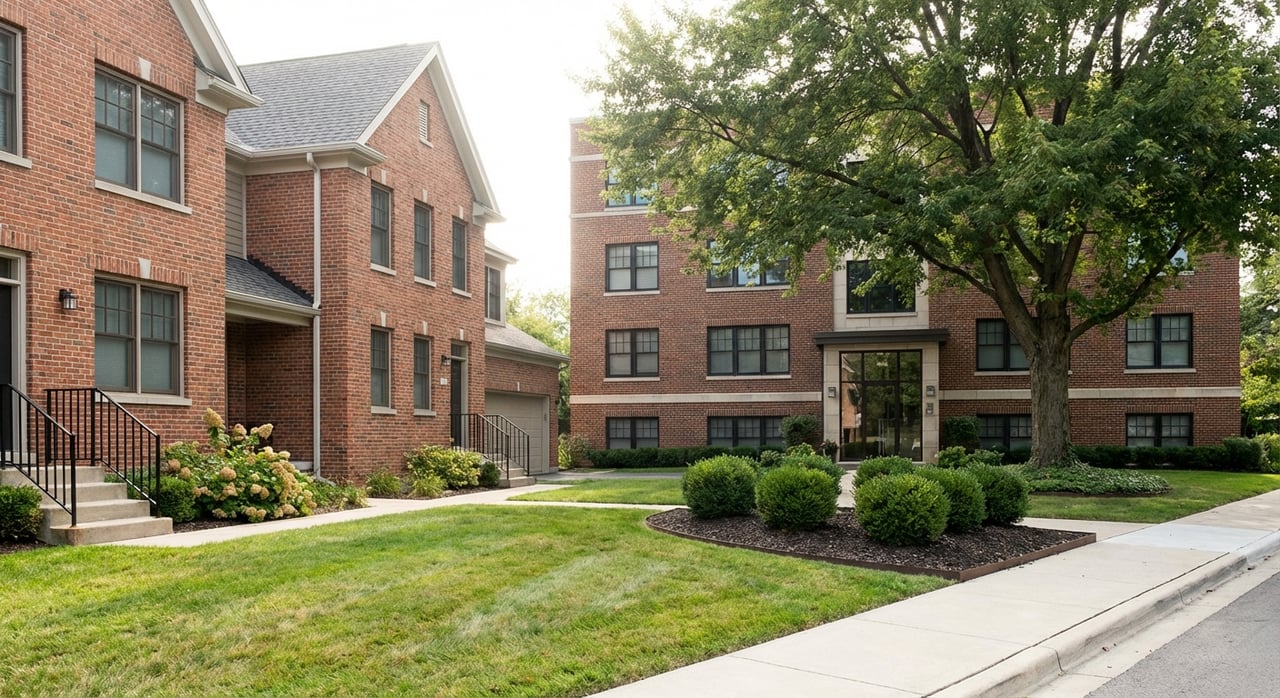
- Fallsgrove: Newer townhome communities and planned streetscapes, typically with community amenities and HOA standards.
- Farmstead District: New townhome construction near King Farm with premium features and walkable design. Some models have been reported starting in the high $800,000s. (Coverage of Farmstead District)
Due‑diligence checklist before you commit
Request these items early, ideally before or during your offer window:
- Full resale package: budget, latest financials or audit, reserve study, declaration and bylaws, rules and regulations, insurance declarations, and any litigation disclosures
- Recent meeting minutes for the last 6 to 12 months to spot upcoming projects or issues
- Reserve study and funding level to gauge special assessment risk
- Master insurance coverage and boundaries, including fidelity coverage if required
- A written summary of who maintains and insures exterior elements for your unit type
- Current rental policies and lease‑term minimums, plus owner‑occupancy ratio
- For condos: FHA, VA, and conventional warrantability or current project approval status (learn about approvals)
Questions to ask the property manager or board:
- Are any special assessments planned or recently levied?
- Have insurance premiums spiked year over year?
- What is the HOA dues delinquency rate?
- Are there any active or threatened lawsuits?
- How are parking spaces assigned and how does guest parking work?
Quick decision guide by buyer profile
- You want the lowest maintenance and strong amenities: Consider a condo. Verify fee coverage and reserves.
- You want more space, a garage, and a small yard with moderate upkeep: Consider a townhome. Confirm exterior responsibilities in writing.
- You need FHA or VA financing or want wider resale flexibility: Focus on warrantable condos or fee‑simple townhomes and confirm approval early.
How we help you choose with confidence
You deserve a clear, numbers‑first plan for this decision. With construction and renovation expertise, we can flag maintenance risks in HOA documents, translate budgets and reserve studies, and model your true monthly cost side by side for each property. If you are comparing a condo’s high amenity lifestyle to a townhome’s added space and autonomy, we will help you align the choice with your budget, commute, and long‑term plans.
If you are ready to compare real listings in King Farm, Town Center, Twinbrook, or beyond, let’s talk about your timeline and the costs that matter most to you. When you are ready, connect with Leo Miller to get a tailored short list and a clean cost breakdown.
FAQs
What is the key difference between a Rockville condo and a townhome?
- A condo typically gives you interior ownership with shared building elements managed by an association, while a townhome is often fee‑simple ownership of the home and land with an HOA for common areas.
How do Rockville property taxes affect my condo or townhome payment?
- Properties inside the City of Rockville pay both city and county components; use the county levy schedule to find the full rate and divide the annual tax by 12 to estimate a monthly amount.
What do typical condo or HOA dues cover in Rockville?
- Dues often fund exterior and common‑area maintenance, a master insurance policy, reserves, management, and amenities; some also include utilities or parking.
Can I use FHA or VA financing for a Rockville condo?
- Often yes, but the condo project may need approval or meet single‑unit standards; confirm warrantability and FHA or VA status before submitting an offer.
Which Rockville neighborhoods should I explore for both condos and townhomes?
- Compare options in King Farm, Rockville Town Center, Twinbrook, East Rockville, and Fallsgrove, then match price bands, fees, and transit access to your goals.