If two Bethesda homes look the same on paper, why does one sell in a week while the other lingers? In our market, the story behind the walls matters as much as the photos. Renovation potential, recent updates, and even permit history can swing price and days on market. In this guide, you’ll learn how buyers in Bethesda and Montgomery County price “potential,” which projects move the needle, and how to prepare a smart plan whether you’re selling or buying. Let’s dive in.
Why condition drives price in Bethesda
Bethesda sits in a higher-priced corner of the DC region where many buyers value proximity to jobs, transit, and walkable village centers. Because of that, turnkey condition often commands a premium. Modern kitchens and baths, refreshed finishes, and updated systems reduce uncertainty for buyers and support stronger pricing.
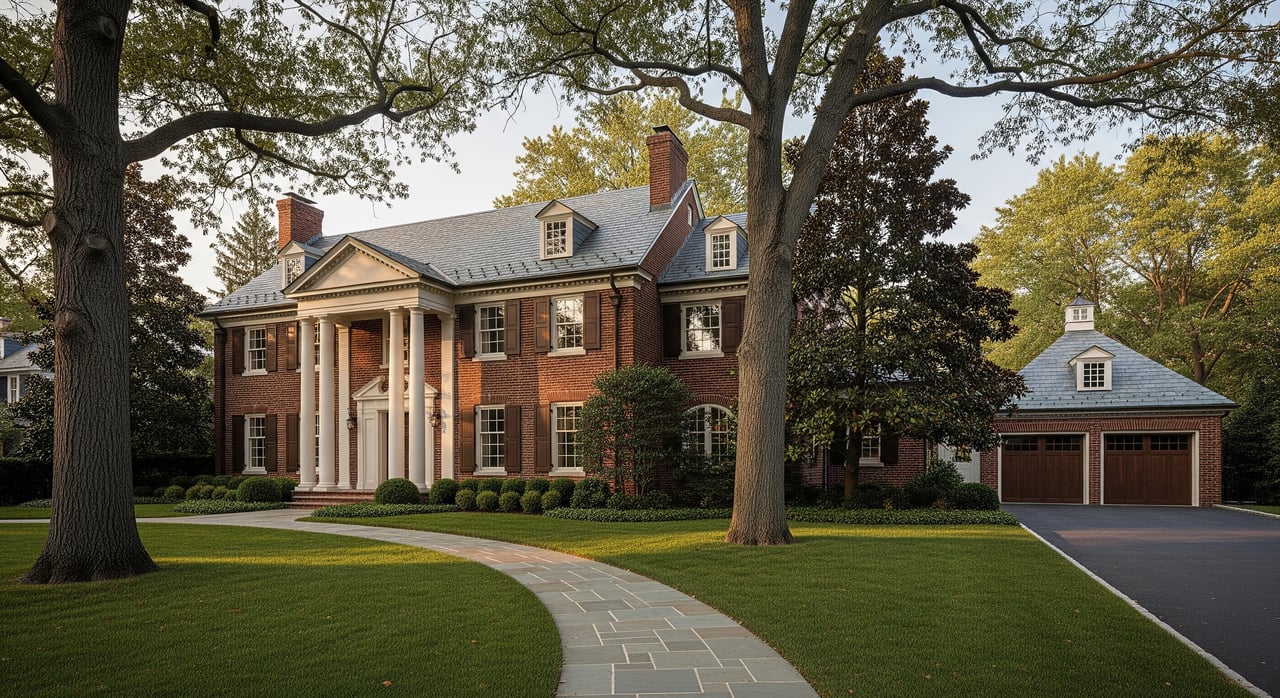
The housing stock is diverse. You see mid-century single-family homes from the 1940s to 1970s, newer luxury builds, and many condos along Metro corridors. In established neighborhoods, owners often favor targeted upgrades over full rebuilds. Basement finishes and thoughtful additions are common value plays.
Two buyer mindsets to know
Move-in-ready buyers
These buyers pay up for completed kitchens and baths, newer systems, and clean cosmetic work. When updates are well-documented and permitted, homes usually sell faster and closer to list price. Staging, paint, and lighting can further shorten days on market.
Value seekers and investors
These buyers calculate cost-to-complete and want a clear scope of work. If a home’s renovation path is feasible and documented, they may move quickly, but often at a lower absolute price. Uncertainty around permits or systems tends to push their offers down.
What updates boost value
Kitchens that fit the neighborhood
Well-executed kitchens often have the highest impact on buyer decisions for single-family homes and larger condos. Open layouts, durable counters, and practical storage help support higher comps and faster sales. Structural changes or moving plumbing and electrical add cost and time and need permits and inspections.
Bathroom improvements
Modernized baths, especially the primary, improve marketability. Adding a bath where the bedroom count demands it can also help your price position.
Major systems that reduce risk
New or recently replaced roofs, HVAC, panels, and windows calm inspection concerns. Buyers value fewer near-term capital needs, which can translate to stronger offers and fewer credits.
Finished basements and ADUs
In Bethesda, finished basements with proper egress and permits add usable living space that buyers want. Whether it becomes a guest suite, office, or play space, permitted square footage increases appeal. Unpermitted bedrooms or income spaces create buyer and lender hurdles.
Cosmetic refreshes that sell
Fresh neutral paint, updated lighting, simple landscaping, and clean flooring are low-cost, high-impact moves. These upgrades help photos pop and usually speed up the sale.
Exterior and curb appeal
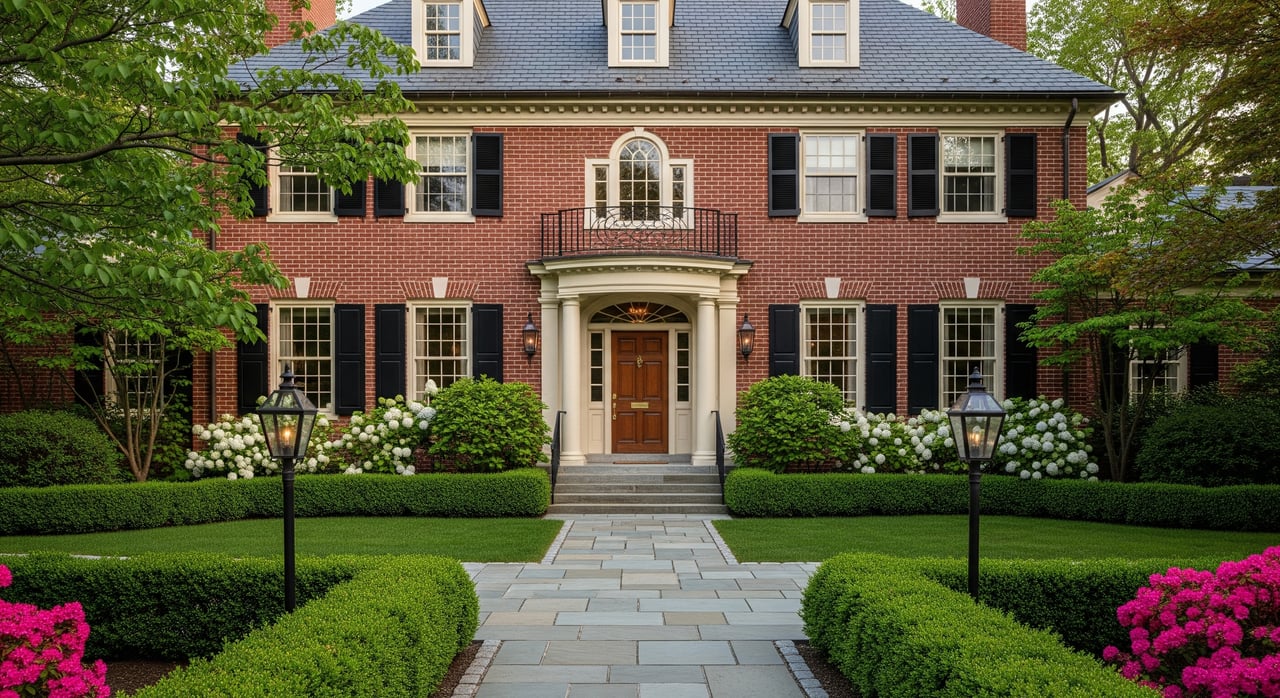
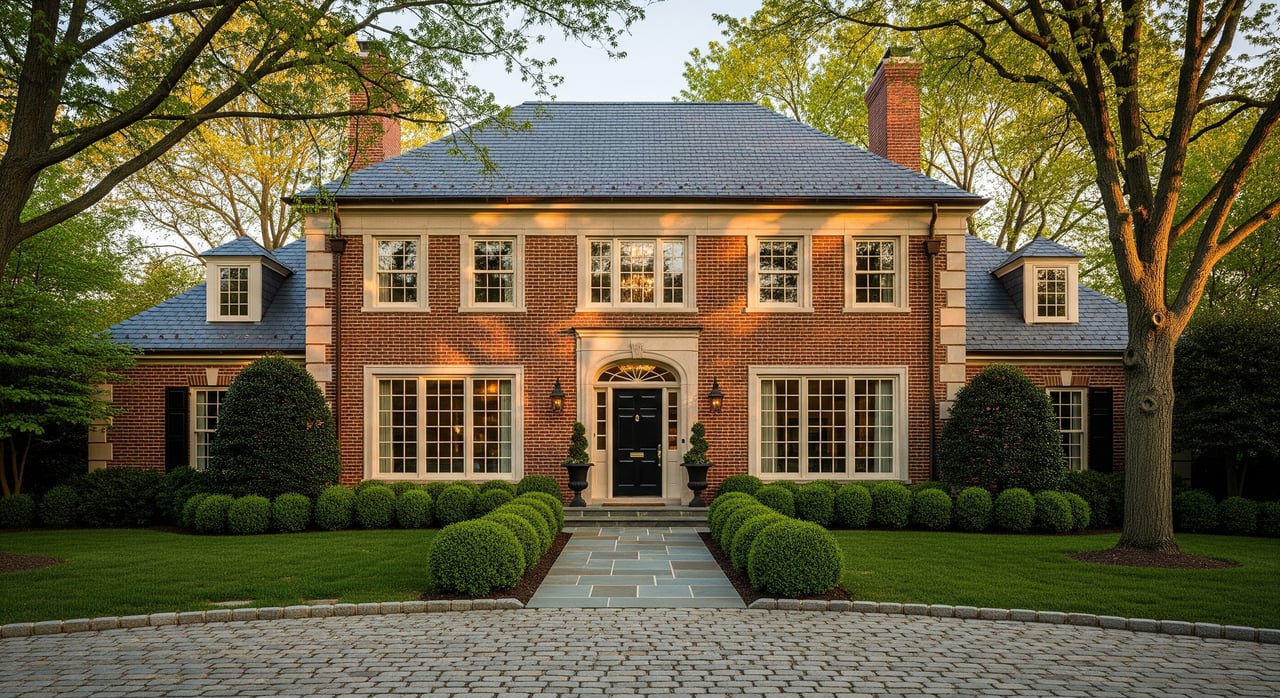
First impressions matter. A tidy entry, sound siding, and clear upkeep improve the show rate and can nudge buyers toward stronger offers.
Condo-specific realities
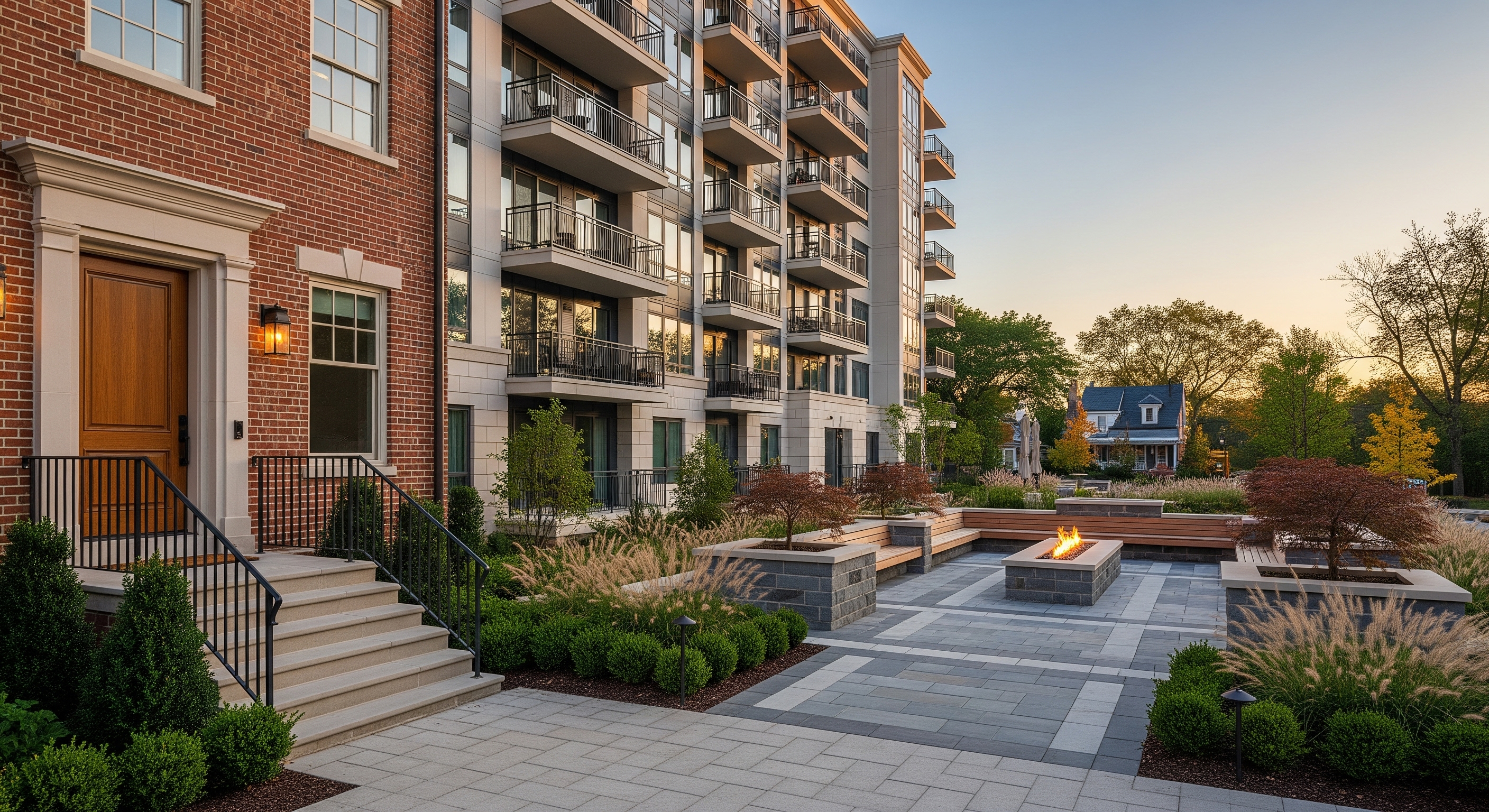
In condos, unit updates matter, but building health can outweigh finishes. Reserve funds, common-area condition, and any pending special assessments influence value. Even a fully remodeled unit can be discounted if the HOA is facing large capital projects or strict renovation rules.
Risks that reduce offers
Unpermitted work, visible deferred maintenance, or major issues like water intrusion, foundation movement, or aging electrical can add days on market and drive price reductions. Buyers either ask for credits, reduce their offer, or walk away. Appraisers and lenders scrutinize comparables and property condition, so incomplete or unpermitted projects also risk appraisal shortfalls and limited loan options.
Permits and condo rules matter
Montgomery County requires permits for most structural, mechanical, electrical, and plumbing projects. Unpermitted work is a known transaction risk. You can review requirements and inspections through the Montgomery County Department of Permitting Services. For property history, check county property records.
Condo owners have an extra layer. Many HOAs require advance approval for alterations and may restrict certain materials or hours of work. Always verify policies and timelines before you plan a renovation.
Pricing, DOM, and location
Well-documented, recent updates reduce perceived risk, which narrows the list-to-sale price gap. Homes with clear permits and professional work justify stronger comps. On the other hand, unclear scopes or unpermitted changes create discounts and longer marketing time.
Location still matters. In high-demand submarkets such as near Bethesda Row or close to transit, some buyers accept cosmetic work and still pay for the address. In areas with softer demand, completed renovations and crisp presentation matter more to attract offers.
Prep steps for Bethesda sellers
- Tackle quick wins: fresh paint, updated lighting, deep cleaning, decluttering, and simple landscaping. These help photos and showings.
- Fix what inspections will flag: consider addressing roof, HVAC, or obvious electrical issues that could spook buyers.
- Prioritize key rooms: refresh dated kitchens and primary baths with quality, neighborhood-appropriate finishes.
- Document everything: gather permits, contractor invoices, product info, and warranties. Include this in your listing packet to reduce buyer uncertainty.
- Align with local comps: avoid over-improving beyond the neighborhood price ceiling. Aim to match what nearby successful sales show.
For broad market context, you can review regional statistics via Bright MLS market reports. For project ROI patterns, the annual Cost vs. Value report offers useful benchmarks. Local returns will vary by micro-neighborhood and finish quality.
How buyers evaluate potential
- Check permits and records early: confirm that additions, basement egress, panels, and major systems were permitted and closed out.
- Separate cosmetic from structural: paint and flooring are predictable; water, foundation, or electrical issues need specialists and realistic budgets.
- Get written estimates: use contractor quotes for your intended scope to negotiate price with confidence.
- Understand loan options: some lenders limit loans for homes with unpermitted work or major repairs. If needed, explore renovation loans such as FHA 203k or Fannie/Freddie programs and verify eligibility early.
- For condos, review the HOA: study alteration rules, reserve studies, and any planned capital projects that could affect your net.
Financing and appraisal checks
Appraisers lean on comparable sales and verified improvements. Permitted, professional work supports value. Incomplete or unpermitted projects can trigger appraisal cuts or loan delays, shrinking the buyer pool. For condos, building financials and approval status can limit financing options and affect pricing and time to close.
Your next move
If you want to maximize value or buy with a clear plan, lean on construction-aware guidance. From quick pre-list updates to feasibility on a basement finish, you deserve a realistic path to the right price. Ready for a disciplined, hands-on strategy built for Bethesda and Montgomery County? Connect with Leo Miller to map your next step.
FAQs
How do kitchen updates affect Bethesda pricing?
- Well-executed, permitted kitchen remodels often shorten days on market and support stronger comps because buyers value modern, functional spaces.
Do I need permits for remodels in Montgomery County?
- Most structural, mechanical, electrical, and plumbing work requires permits; see the Department of Permitting Services for scope and inspections.
How does unpermitted work impact appraisal and loans?
- Unpermitted or incomplete work can reduce appraised value and limit loan options, which shrinks the buyer pool and can lower final sale price.
What should condo buyers review before renovating in Bethesda?
- Check HOA alteration rules, approval timelines, reserve studies, and any pending capital projects that could affect costs or renovation feasibility.
What pre-list projects usually pay off in this market?
- Fresh paint, lighting, deep cleaning, decluttering, and landscaping offer strong visual impact, while fixing obvious system issues helps avoid credits and delays.